 Polski
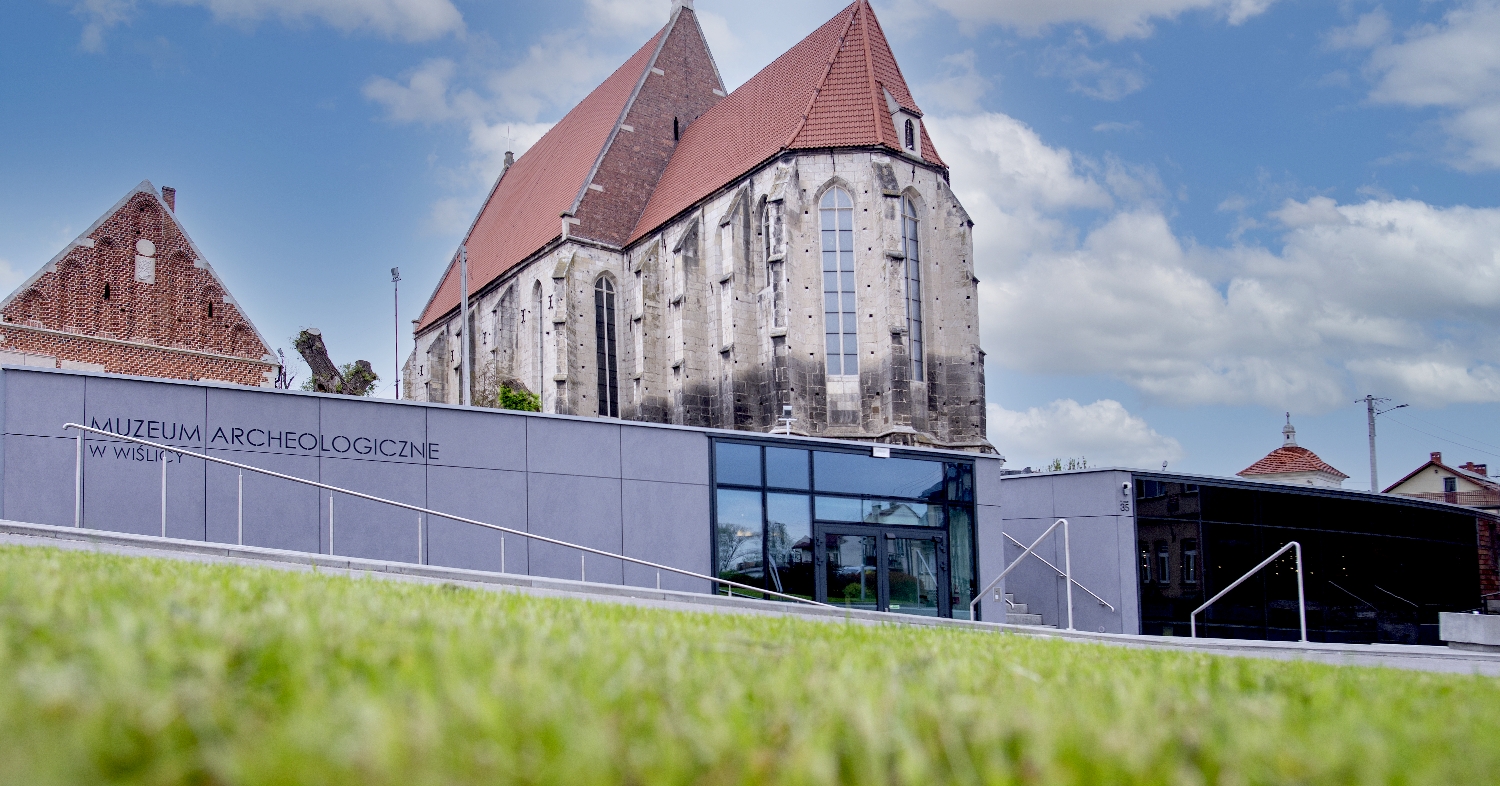

The Archaeological Museum in Wiślica – An Underground Journey to the Roots of Polish Statehood
The Archaeological Museum in Wiślica, a branch of the National Museum in Kielce, stands as one of the most significant and technologically advanced landmarks on Poland's historical map. Located in the Ponidzie region, this seemingly modest town was once a powerful political and religious center of the Vistulan state during the Early Middle Ages. Today, the museum spectacularly fuses authentic, centuries-old remnants with state-of-the-art multimedia technology.
The crown jewel of the institution is its unique underground tourist route. This subterranean corridor seamlessly links archaeological sites that previously existed as separate, scattered locations, creating a unified and immersive visitor experience.
Key Highlights of the Exhibition
-
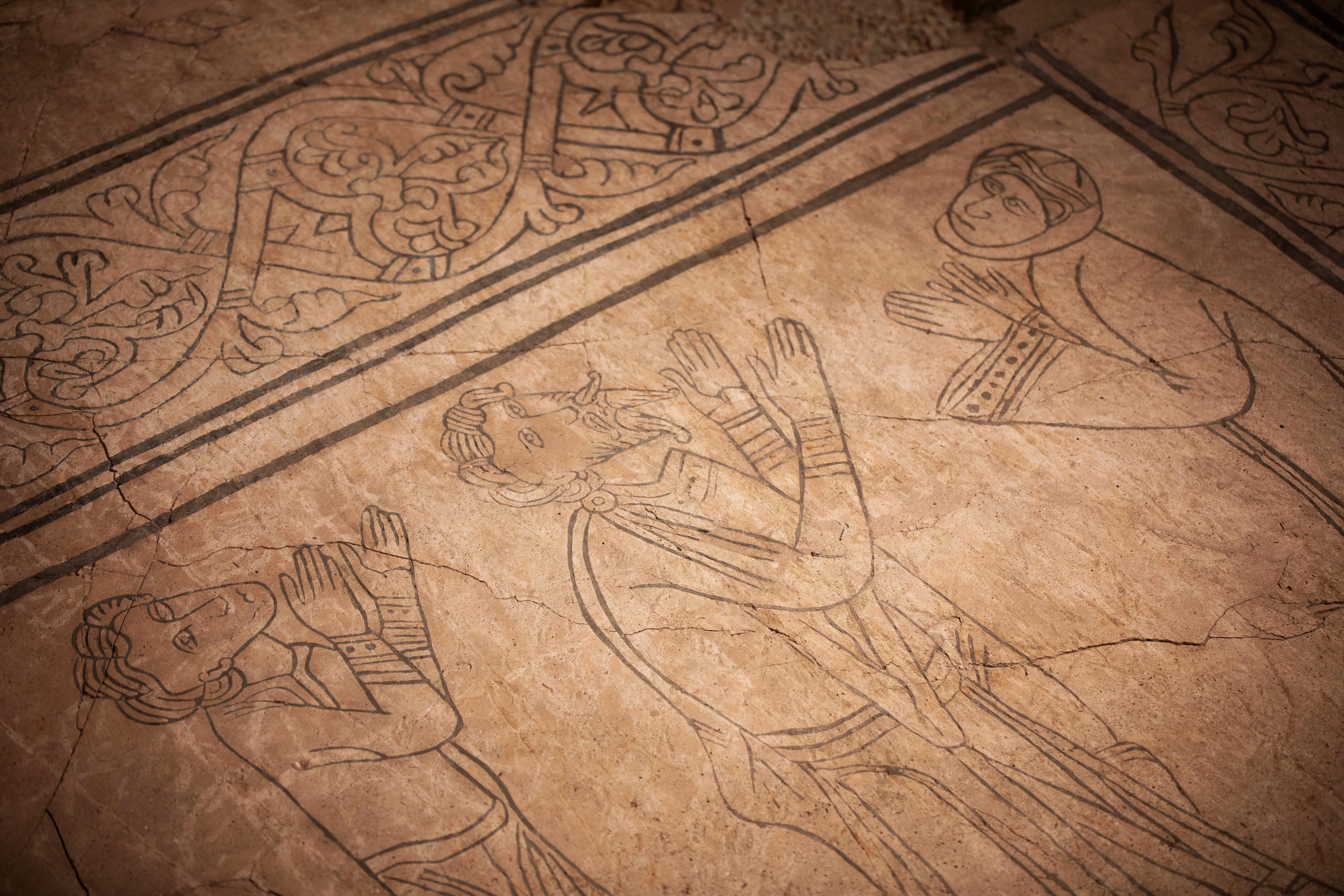
The Floor of the Orants (Basement of the Collegiate Church): A world-class masterpiece and one of Poland's most precious Romanesque artifacts. Dating back to around 1175, this gypsum floor plate was crafted using a rare plaster engraving technique. It depicts human figures in prayer positions (orants), framed by an intricate border of floral motifs and mythical creatures.
-
The Relics of Two Romanesque Churches: The underground path guides visitors past the structural remains of the Church of St. Nicholas (dating back to the 10th or 11th century) and the foundations of the first collegiate church, established by Duke Henry of Sandomierz in the 12th century.
-
The Mythical Baptismal Font: Adjacent to the ruins of St. Nicholas's Church lies a famous, hollowed-out stone structure interpreted by some scholars as a hypothetical 9th-century baptismal font. While its exact function remains a subject of academic debate, it serves as a powerful symbol linking Wiślica to the legendary baptism of the Vistulans, which predates the official Baptism of Poland.
-
The Długosz House: A 15th-century Gothic brick building funded by the renowned chronicler Jan Długosz as a residence for the local canons. Its interior showcases rare, original wall polychromes and a wealth of artifacts unearthed during decades of archaeological excavations throughout Wiślica.
A Modern Dimension to History
Following a comprehensive modernization, the museum’s underground levels have been outfitted with sophisticated multimedia systems. Visitors explore the site enveloped in 3D mapping, laser projections, interactive touchscreens, and atmospheric light and sound design. Far from overshadowing the past, these modern technologies provide the perfect backdrop, allowing guests to vividly visualize how these monumental structures appeared during their golden age a millennium ago.